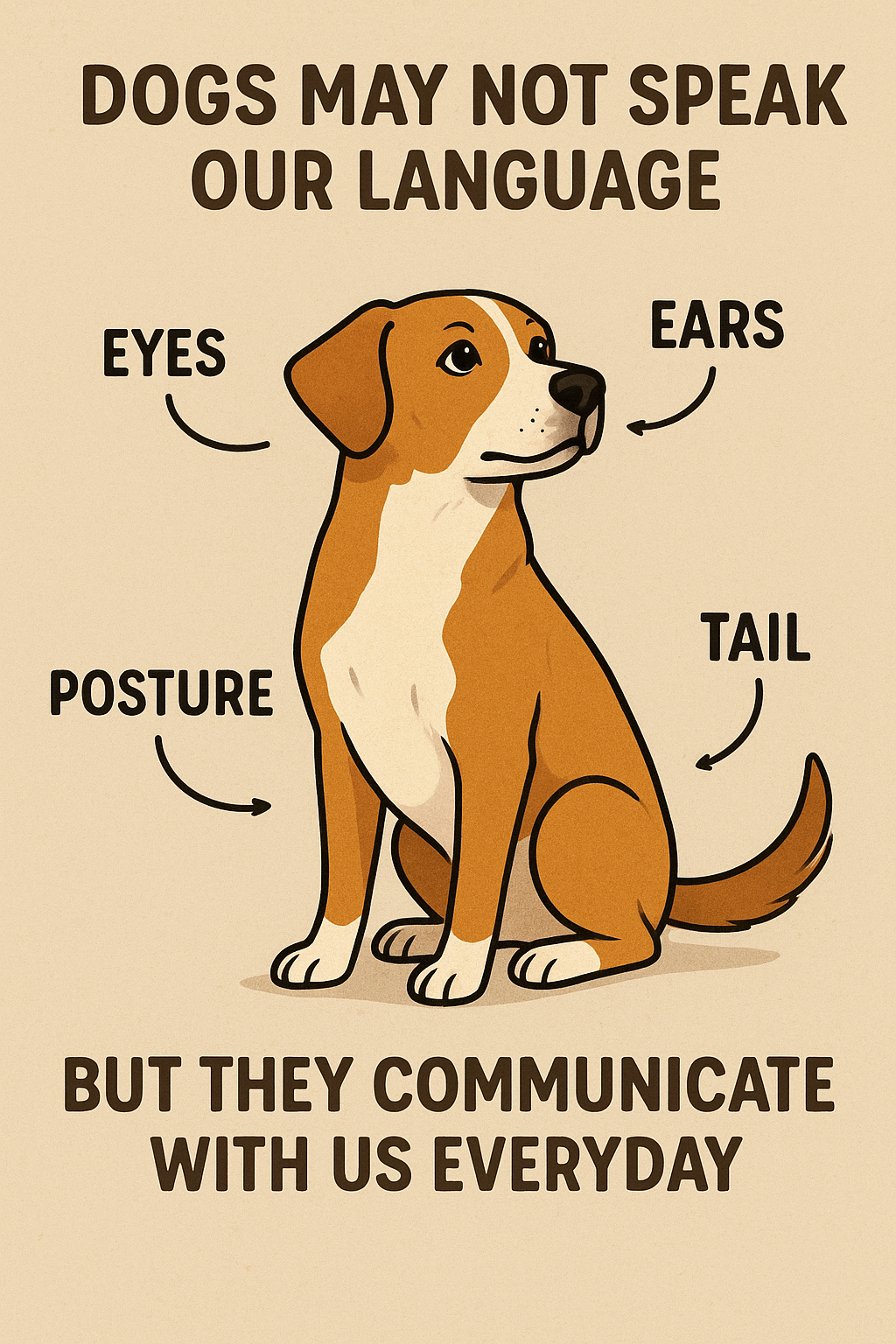
Your dog’s body language is an important part of communicating with your fur baby. Unlike human’s dogs may not speak our language. From the head tilt, tail wag, barks, whines and growls every movement tells a story. Learning how to understand what your furry friend is feeling-whether they’re happy, anxious, playful, or unsure. By paying attention to these signals, you can strengthen your bond, prevent misunderstandings, and create a safer more comfortable environment for your pet. In this guide we’ll breakdown the most common cues so you can confidently interpret what your dog is really trying to tell you. Check out American Kennel Club for more information.
Why Understanding Dog Body Language Matters
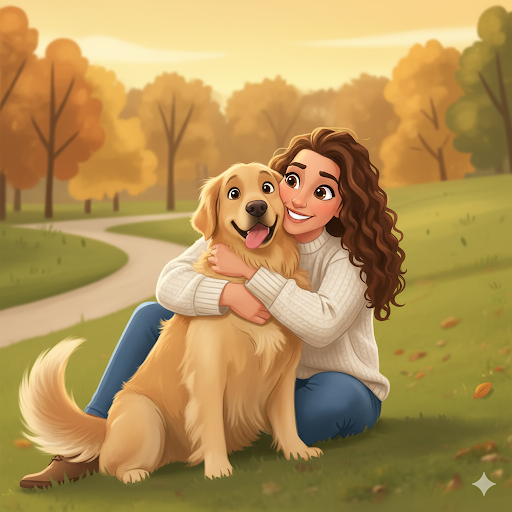
- Building a stronger bond
- Preventing miscommunication and stress
Common Dog Facial Signals
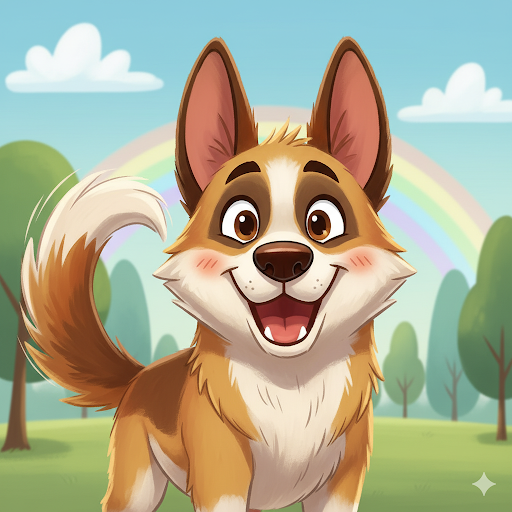
- Tail Wags and What They Mean
- Ear Positions and Emotions
- Facial Expressions and Eye Contact
How To Read Dog Body Language in Different Situation
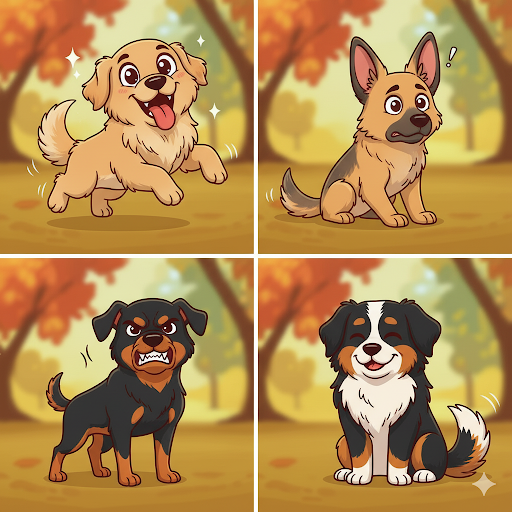
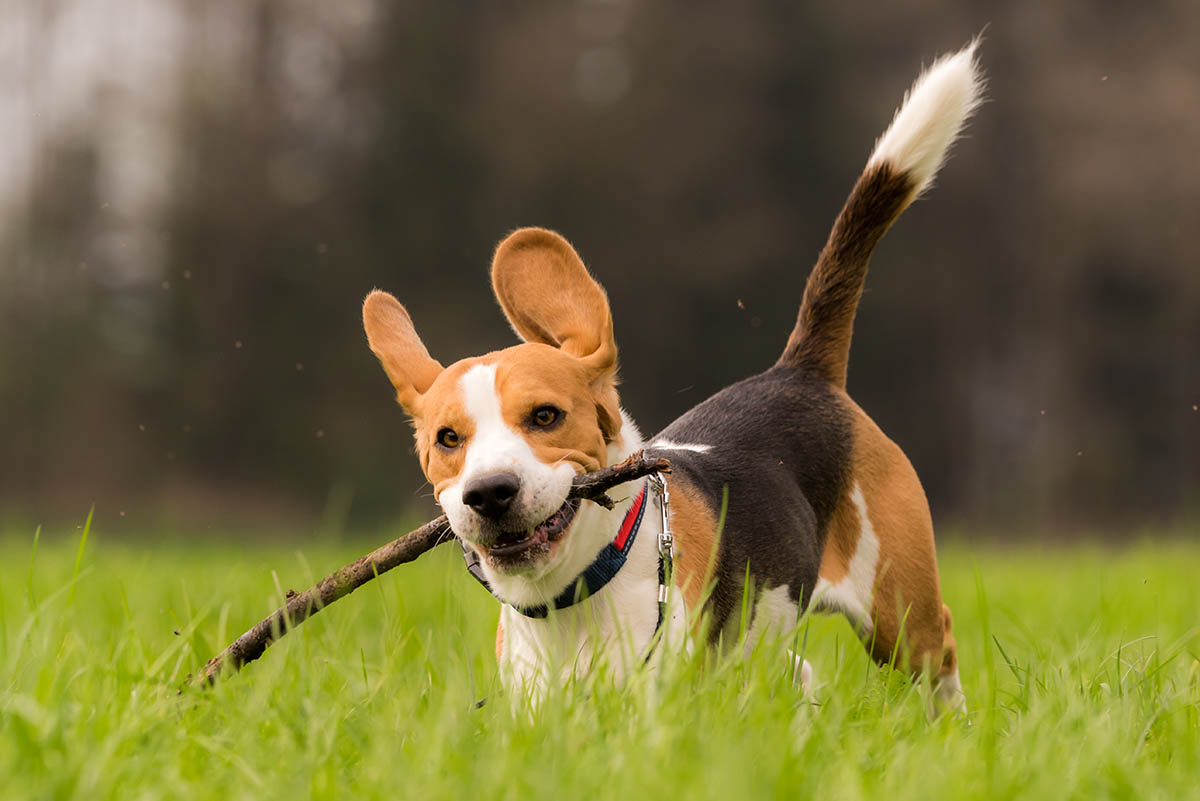
- Playtime and Excitement
- Fear, Anxiety, and Stress Signal
- Aggression, and Warning Signal
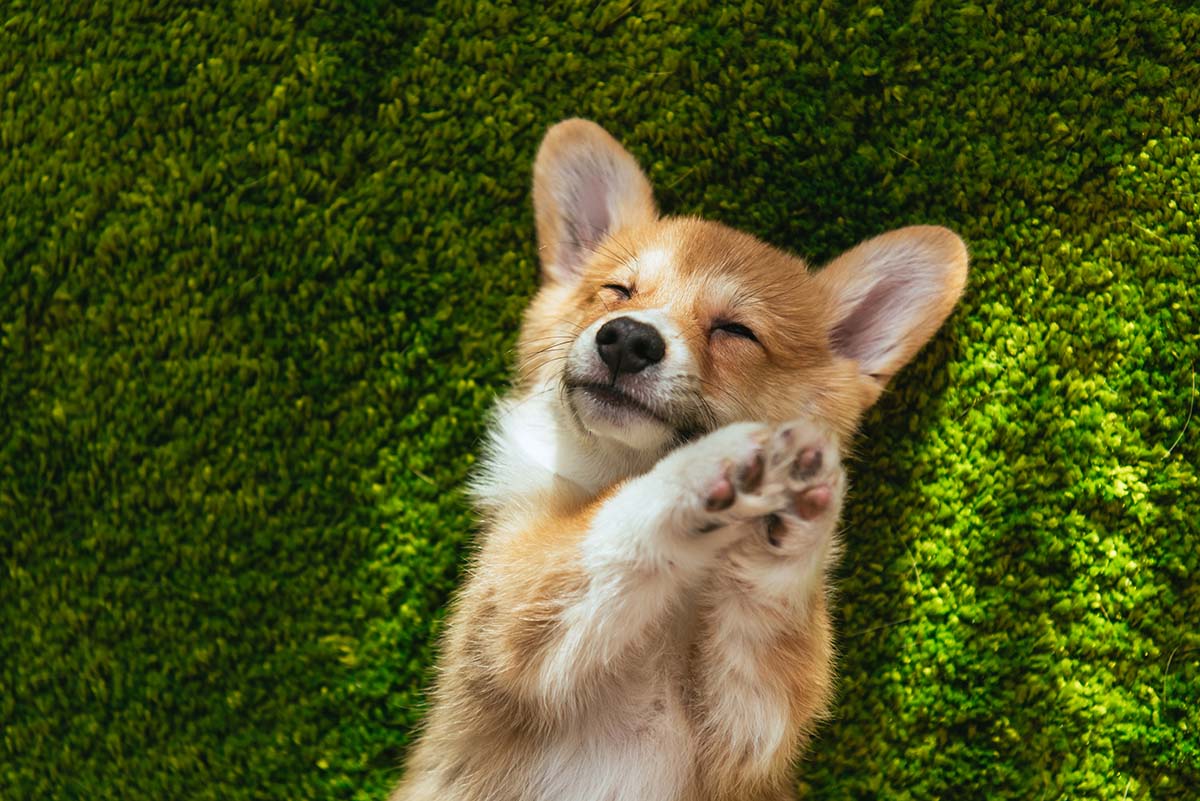
- Relaxed and Happy Body Language
Tips for Interpreting Dog Body Language Correctly
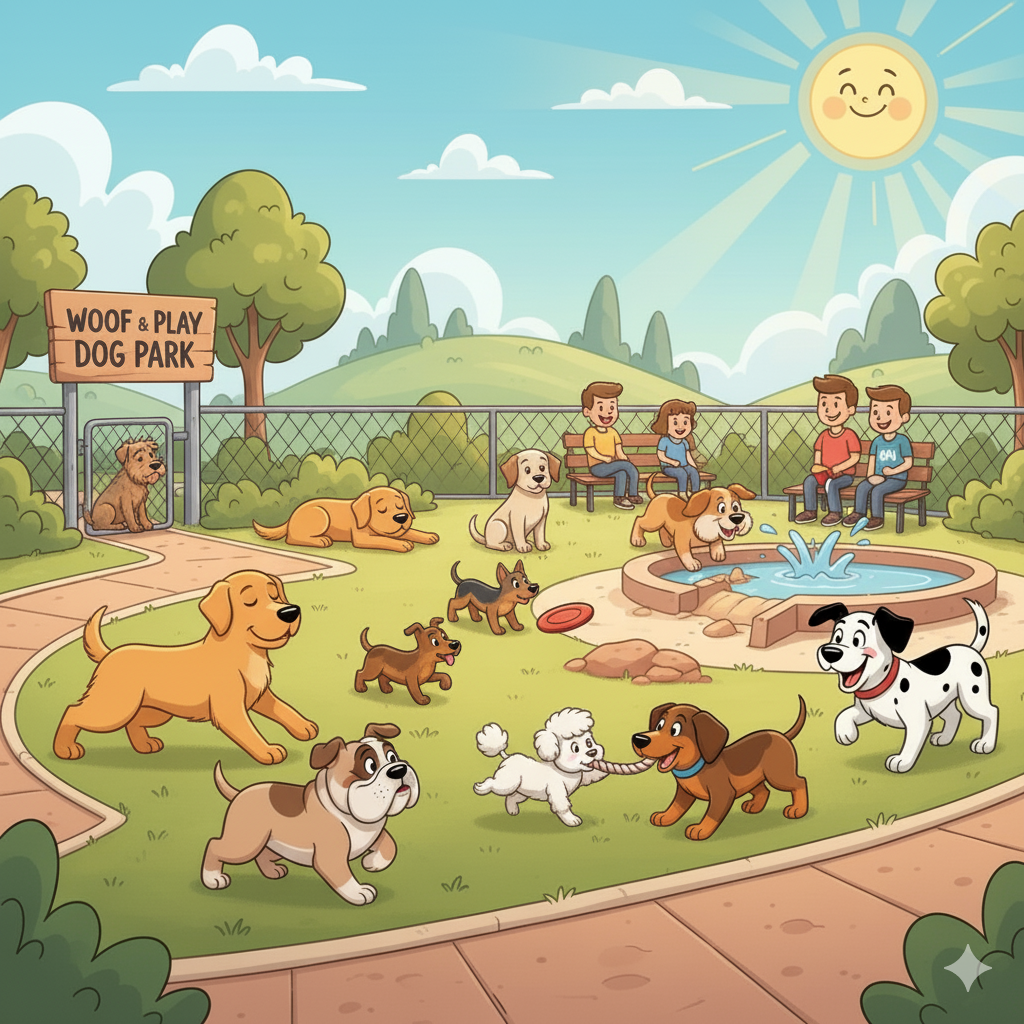
- Combine Behavior with Environment
- Avoid Common Misinterpretations
- Context Matter: Look at the Whole Picture
By recognizing subtle cues like posture, ear position, and tail movement, you gain insight into your dog’s emotions and needs. The more you practice reading these signals, the stronger your bond will become and the easier it will be to respond with care and confidence. Remember every dog is unique, so always look at the whole picture and consider the context. Have you noticed any unique body language signals from your dog? Share your experiences in the comments below and explore more tips from FurriFuzziFriends.com to keep learning about pet’s behavior and well-being.